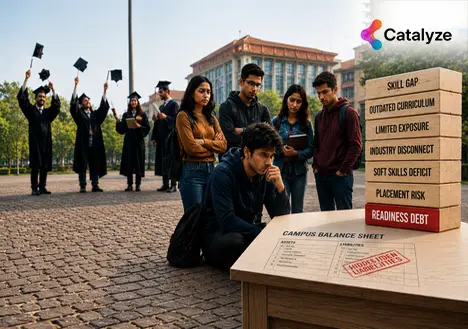
Preparing Students to Thrive in a Changing Professional World

Written by Nitish
27/08/2026
Building Skills for Long-Term Career Success
Preparing students for the professional world goes beyond academic knowledge. Students also need the confidence and practical skills to communicate clearly, work effectively with others, manage challenges, and adapt to changing expectations. Developing these capabilities early helps students approach their careers with greater clarity and confidence.
Developing Workplace-Ready Capabilities
Communication, teamwork, problem-solving, adaptability, and professional behaviour are increasingly important across industries. Students who develop these skills can transition more smoothly from academic environments into professional settings. Practical learning experiences, collaborative activities, presentations, projects, and real-world challenges can help students understand how these skills are applied in everyday workplace situations.
Preparing for Continuous Change
The professional world continues to evolve with new technologies, changing business models, and emerging career opportunities. Students therefore need to become comfortable with learning, adapting, and developing new capabilities throughout their careers. A future-focused approach to education can help them become more resilient, curious, and prepared to respond positively to new opportunities and challenges.
From Education to Employability
Career readiness is strongest when students can connect what they learn in the classroom with how those skills are used in professional environments. Exposure to workplace expectations, professional communication, decision-making, teamwork, and problem-solving helps bridge this gap. With the right guidance and practical experiences, students can move into their professional journeys with stronger preparation and a clearer understanding of what employers value.
From Campus Experience to Career Success
Entering the professional world brings a new set of expectations that cannot be learned through academics alone. Students need practical awareness, confidence, interpersonal skills, and the ability to apply their knowledge in real workplace situations. Campus-to-Corporate Readiness supports this transition by helping learners develop professional habits and a strong career-oriented mindset.
By strengthening communication, teamwork, critical thinking, accountability, and workplace adaptability, students become better equipped to handle professional responsibilities. The focus is on helping them make informed career decisions, contribute effectively from the start, and build the capabilities needed for sustained professional growth.
Turning Student Potential into Workplace Capability
A successful career requires more than a strong academic record. Students need the ability to communicate ideas clearly, work with different people, make informed decisions, manage challenges, and respond confidently to changing professional situations. Developing these capabilities early helps learners approach the workplace with greater clarity and confidence.
Career-focused experiences such as industry exposure, practical assignments, role-based activities, peer collaboration, and guided feedback allow students to understand how professional environments actually function. By applying their learning in realistic situations, they become better prepared to take responsibility, contribute to teams, and adapt to the expectations of a modern workplace.