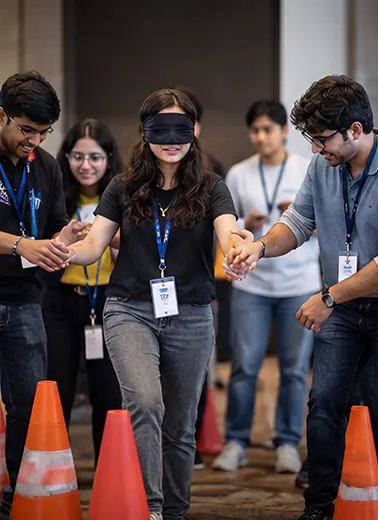

What Placements Test First, Is What Campuses Train Last.
Group discussions. Team tasks. Assessment centres. Every placement round tests how students work with people. Almost no college trains it before the day arrives. Catalyze does.

THE GAP NOBODY ADDRESSES
Grouping Students Together Does Not Make Them A Team.
A group of five submits a project and only one person did the work. A GD round starts and half the batch goes silent. Students who get along in the canteen fall apart the moment a deadline hits. Not because they are incapable. Because working as a team is a skill, and almost nobody trains it before placements demand it.
- Executive Presence
- Leadership
- Problem Solving
- Culture
- Confidence
- Collaboration
WHERE IT BREAKS FIRSTSame Gaps. Same Silence.
Same Gaps. Same Silence.
Every Campus.
WHO NEEDS IT MOST
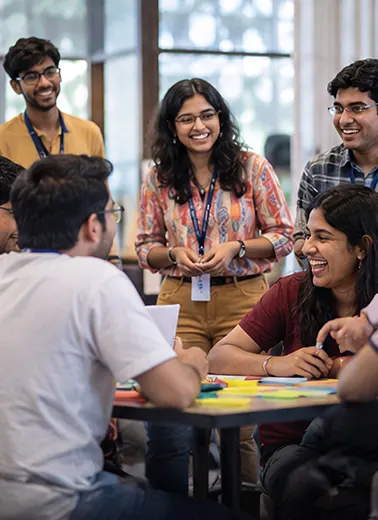
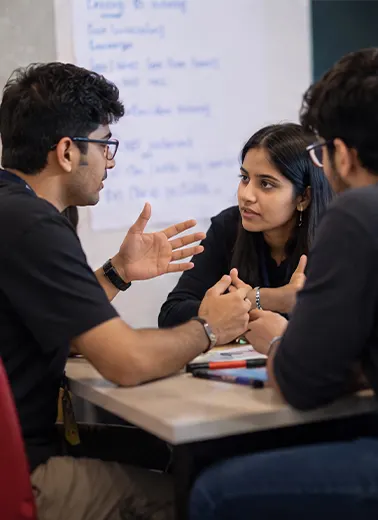
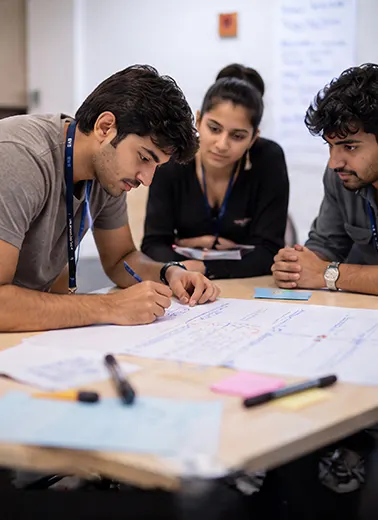
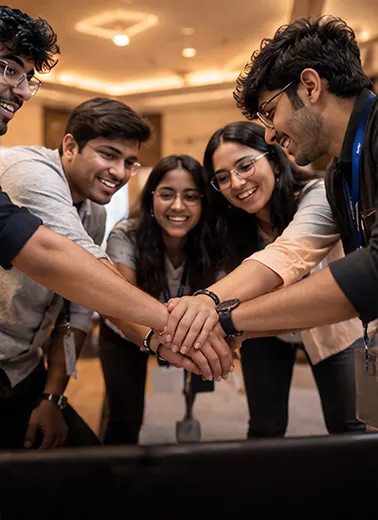
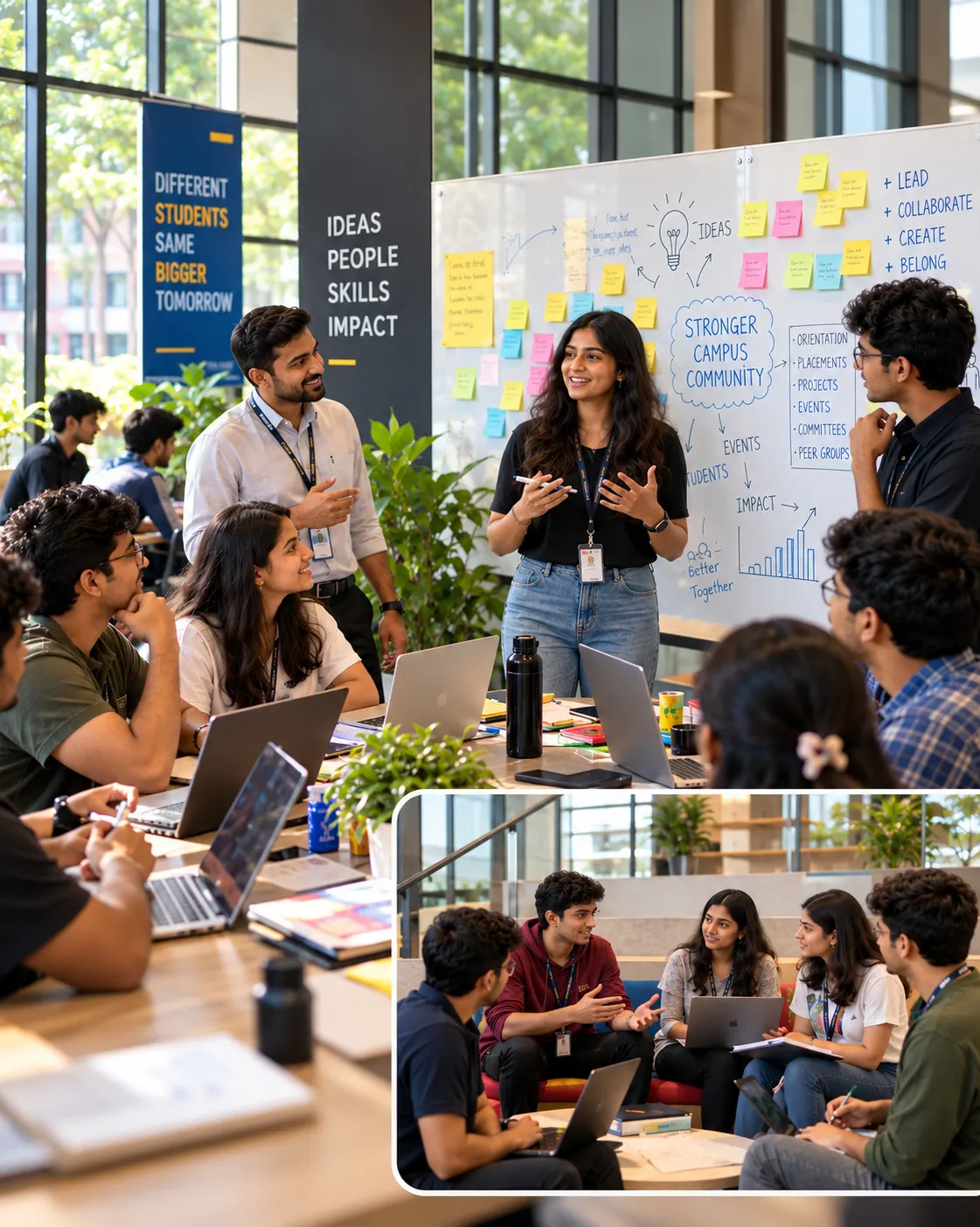
The Groups That Need This Are Already On Your Campus.
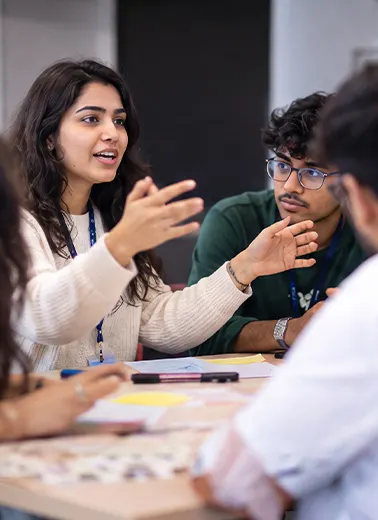
These are the groups where structured team training makes the most visible difference.
HOW IT WORKSHow We Train What
How We Train What
Nobody Else Trains.
Challenge
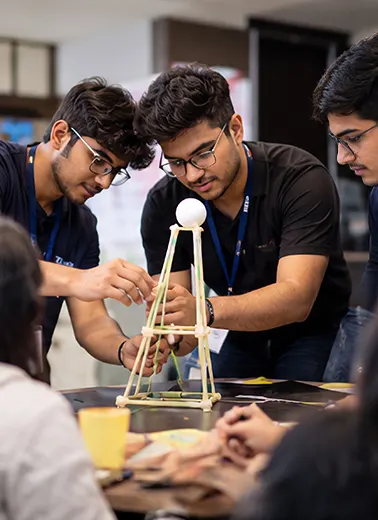
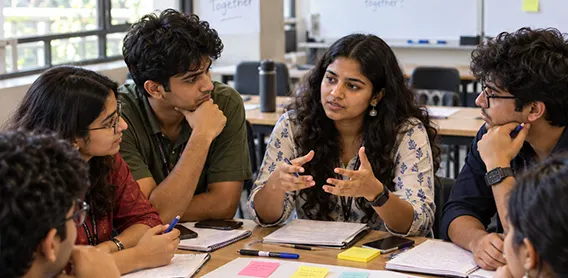
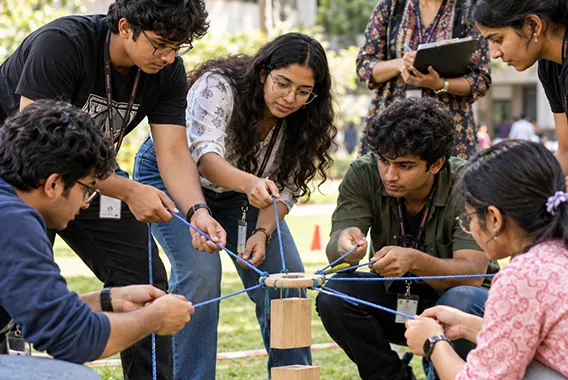
A situation that requires more than one person to solve. No scripts. Real pressure. A result that depends entirely on how well the team works together.
Observe
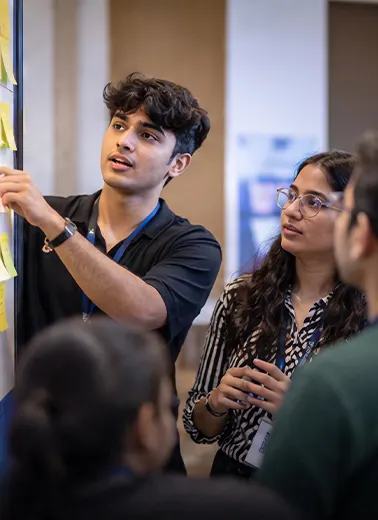
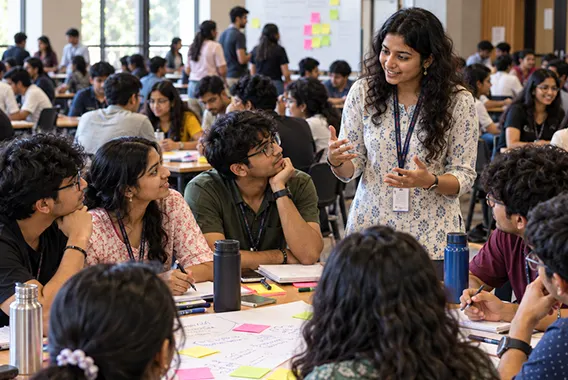
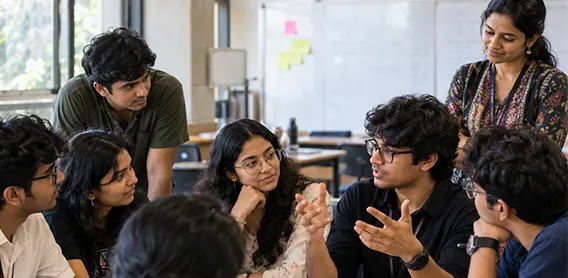
While the group works, facilitators watch. Who speaks first. Who gets talked over. Who takes charge. Who disappears. The patterns under pressure are the patterns that show up everywhere else.
Debrief
What actually happened. Not what they planned. Not what they assumed went well. What the facilitator saw, what other teams noticed, and where the cracks were.
Translate
The person who dominated the challenge is the person who takes over every group project. The person who went quiet is the person who freezes in a GD. Name the pattern. Make it real.
Apply
Same challenge. Different approach. The point is not to talk about what went wrong. The point is to do it differently and see what changes.
WHAT IT LOOKS LIKE IN THE ROOMBuilt For Campus.
Built For Campus.
Tested Under Pressure.


The Signal Room
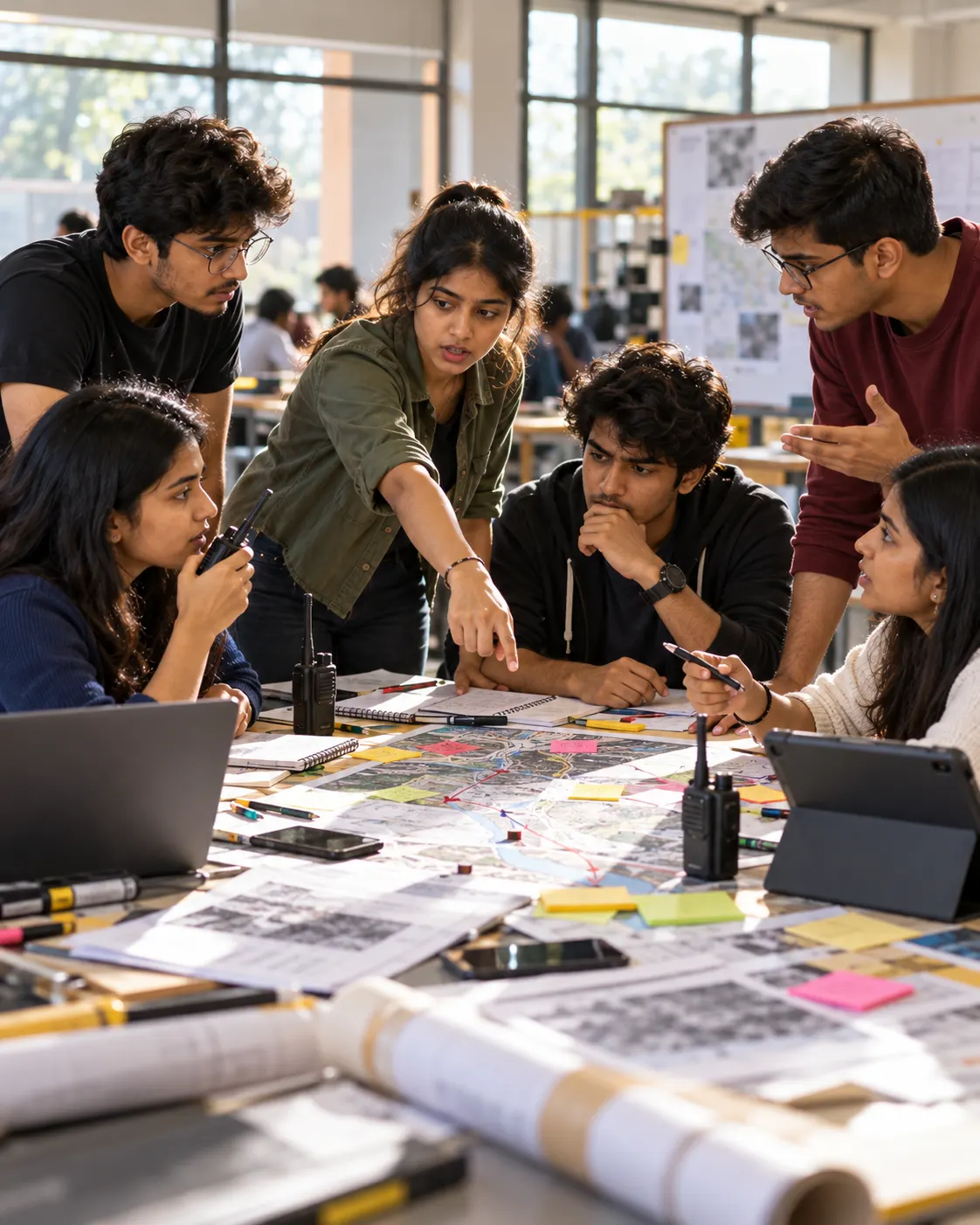
Each member holds a different piece of the same problem. Nobody has the full picture. The only way forward is to share, listen, and build an answer together.
Explore Experience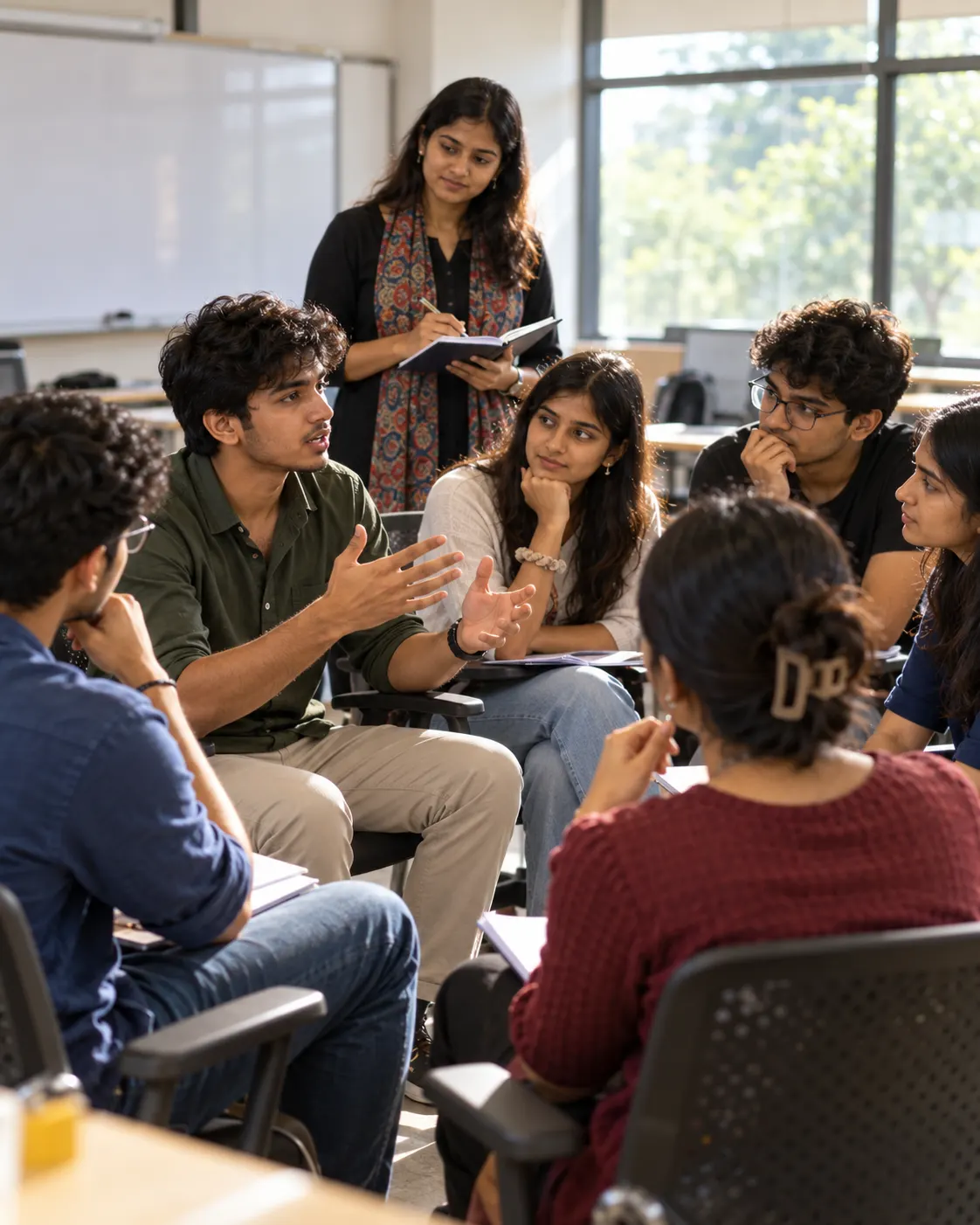
The Pressure Brief
A project brief arrives. The group starts planning. Halfway through, the brief changes completely. What surfaces is how students handle ambiguity, regroup under pressure, and make decisions without freezing.
Explore Experience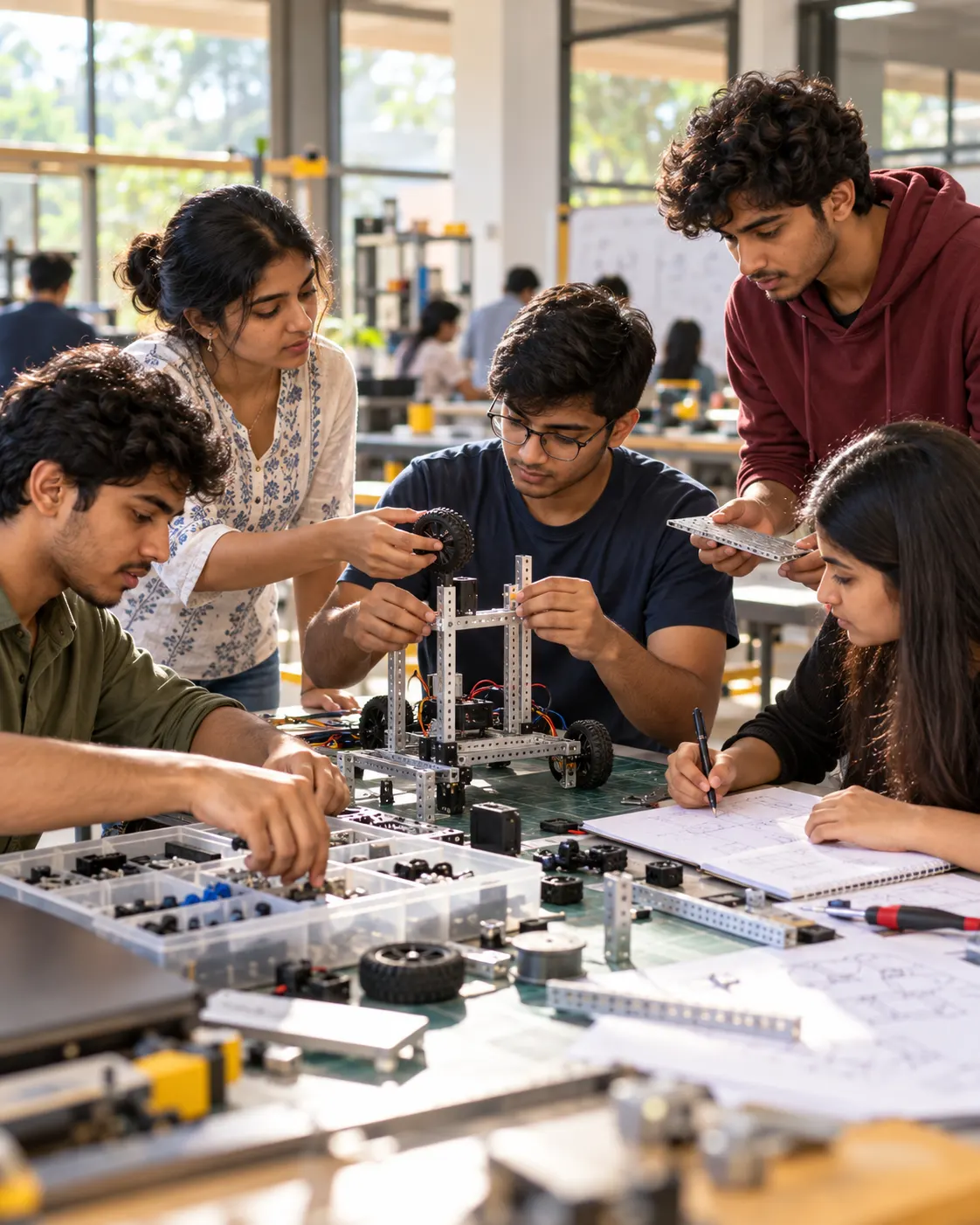
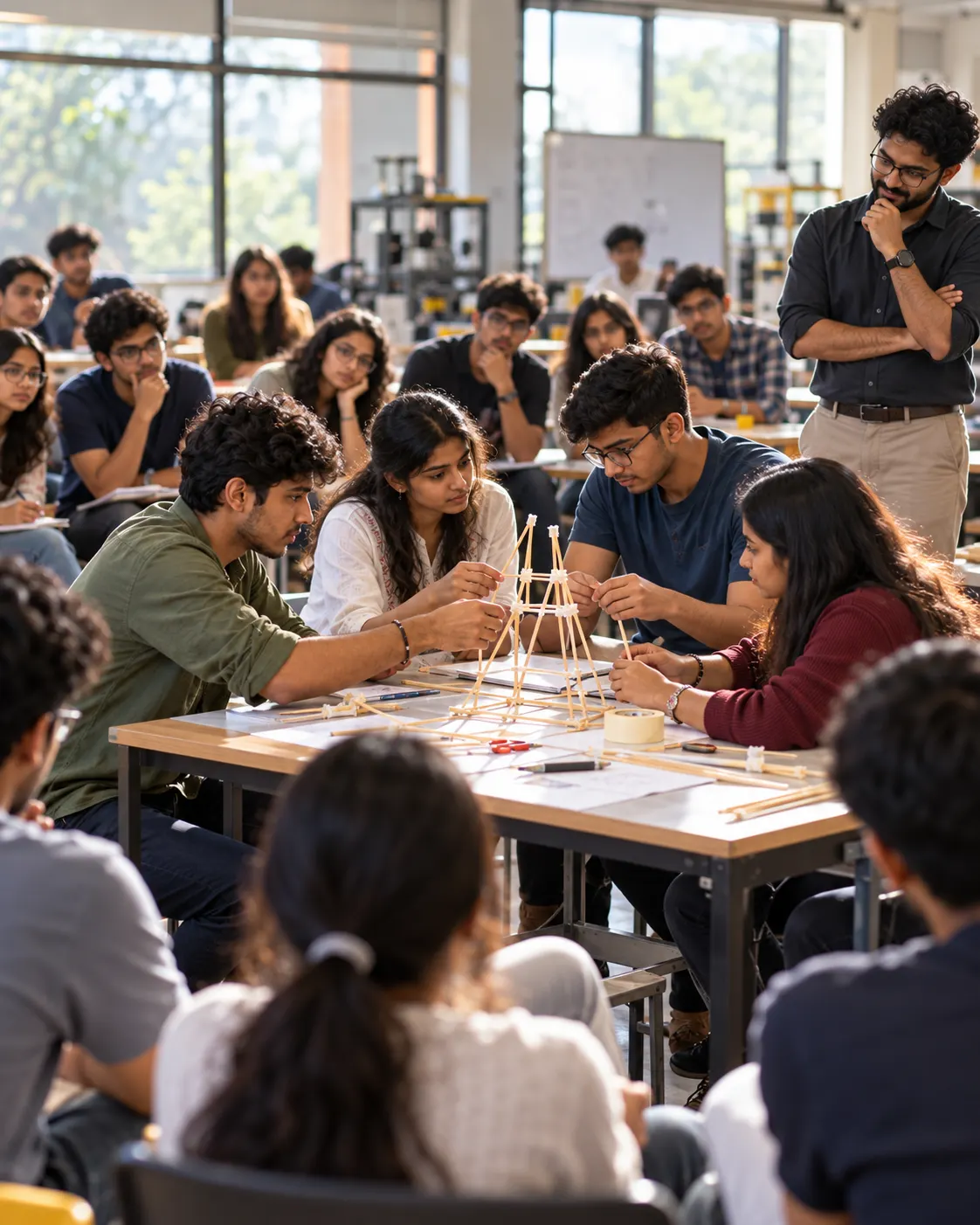
The Fishbowl
One team tackles a challenge while the rest of the batch observes. The team inside cannot see what is obvious from outside. The debrief exposes patterns nobody notices when they are in the middle of it.
Explore Experience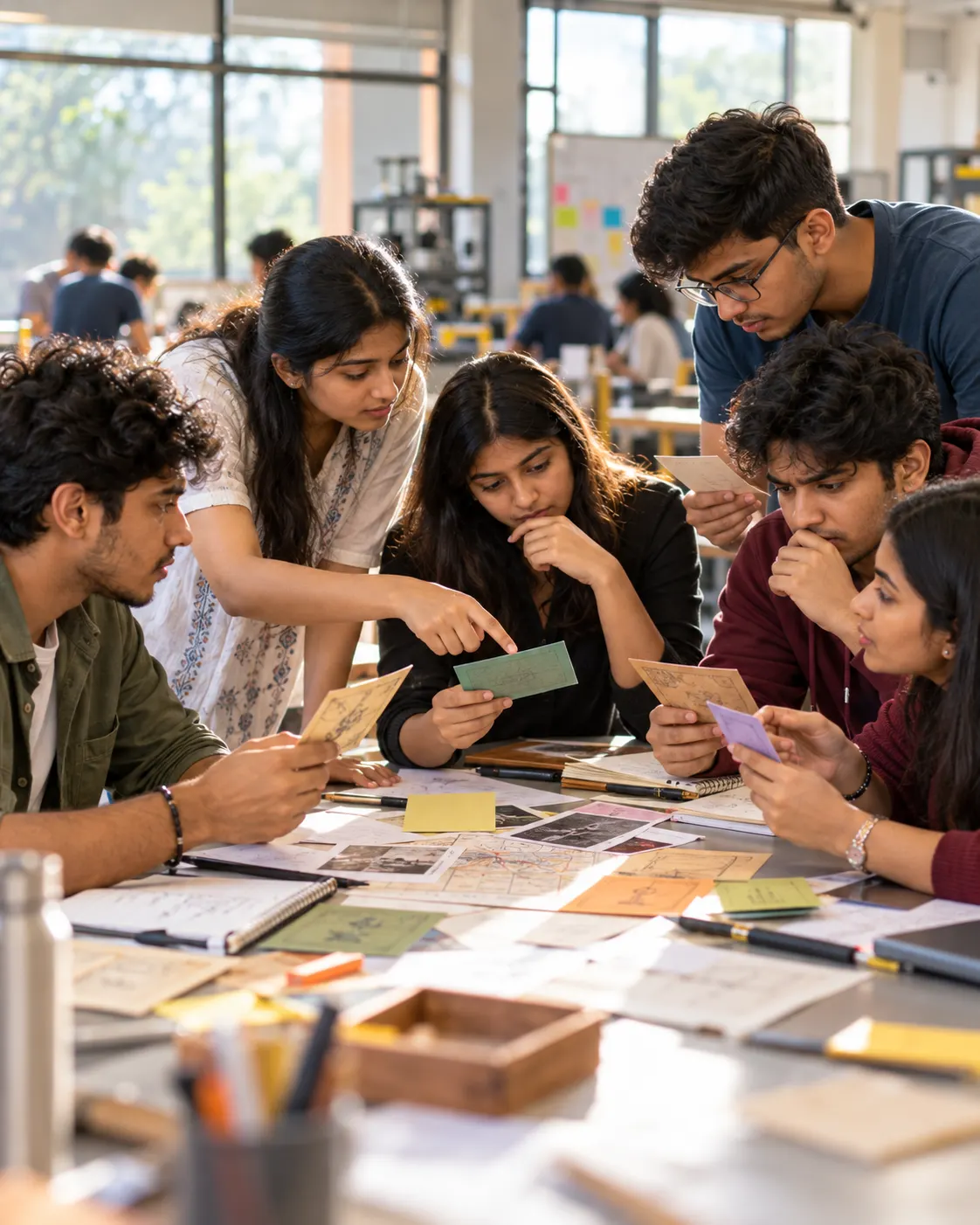

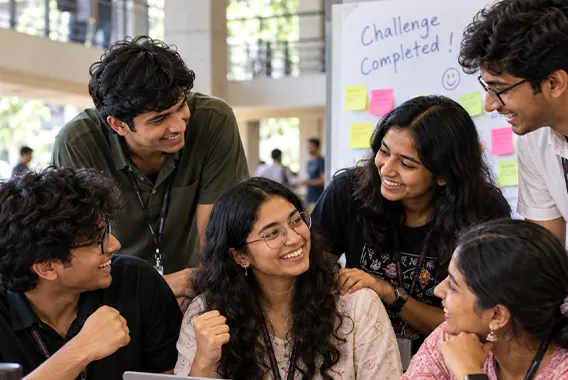
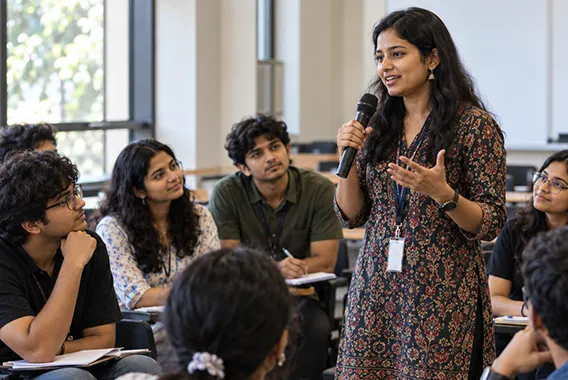
WHERE IT HAPPENSThe Shift Is Visible Before
The Shift Is Visible Before
The Programme Ends.
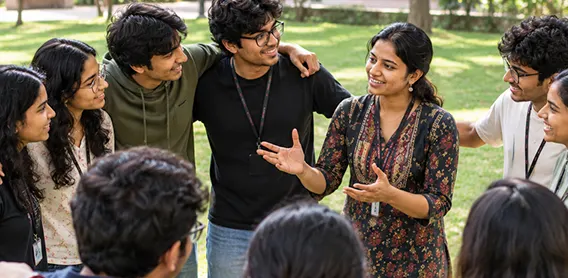
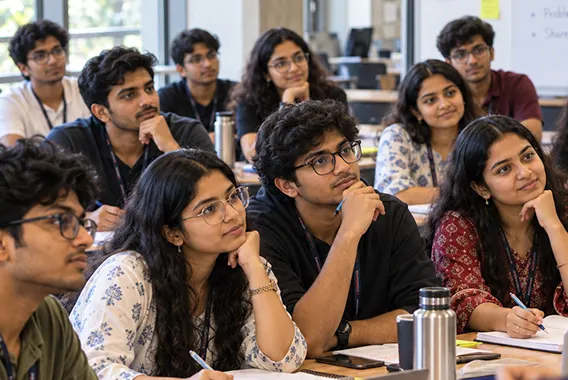
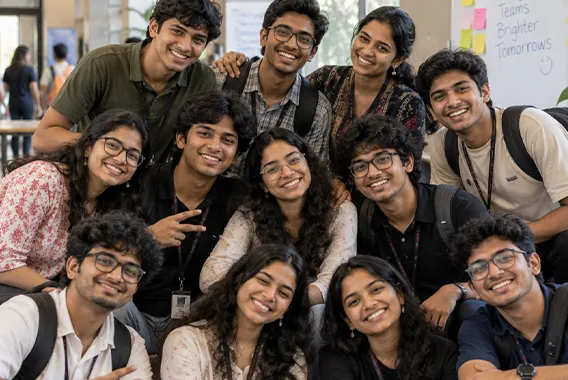

WHO DESIGNS THIS
We Have Sat In Those Classrooms. We Know What Breaks.
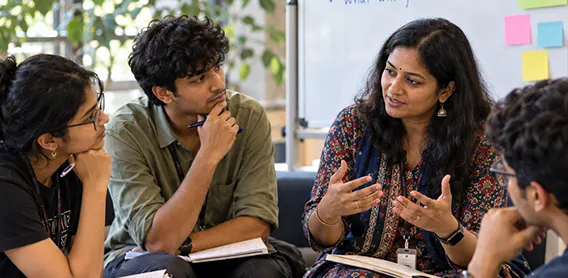
Every programme is designed by facilitators who have worked with real student groups on real campuses. They have watched final-year batches freeze in a GD. They have seen project teams fall apart two days before submission. They design from what they have seen go wrong, not from a textbook about what should go right.
About CatalyzeIN THEIR WORDS
From Learning To Lasting Confidence
HAVE QUESTIONS?
Let’s Make It Clear
Most campus team building is outdoor games and a motivational talk. Students enjoy it and forget it by next week. Catalyze programmes surface real group behaviours through structured challenges. The debrief after each challenge is where the training happens. Students leave knowing their own patterns and having practised a different approach.
Stronger communication in groups. Fewer cases of one person carrying the project. Better performance in GDs and assessment centres. Groups that address disagreements instead of avoiding them. We measure behavioural shifts through structured observation, not satisfaction surveys.
Single sessions run four to eight hours. For deeper change, we recommend multiple sessions spaced across weeks. The format depends on what your students need.
Every programme starts with what your students actually struggle with. We design around the gap you are seeing, not a pre-made syllabus.
Facilitators observe and record specific behaviours during every session against a baseline. Institutions receive a report with patterns, shifts, and next steps. The measurement is built into the programme from day one.
We work with groups from fifteen to two hundred, split into working teams with dedicated facilitators. The methodology stays the same regardless of batch size.